




使用HTML,JS,CSS制作页面模块,让你的网站变得更受欢迎


This CAT7 S/FTP cable features 100% oxygen-free copper conductors, shielded twisted pairs, and fully wrapped in an aluminum braid to reduce the impact of electromagnetic interference and external crosstalk on the signals carried by the internal conductors. It offers performance exceeding 1000 MHz and is ideal for data centers, enterprise networks, industrial automation, and high-density cabling environments.


| Parameter | Specification |
|---|---|
| Product Name | CAT7 S/FTP Ethernet Cable |
| Category | Cat7 |
| Cable Type | S/FTP |
| Conductor Material | 100% Oxygen-Free Bare Copper |
| Conductor Size | 23 AWG |
| Number of Pairs | 4 Pairs |
| Pair Shielding | Aluminum Foil Shield |
| Overall Shielding | Tinned Copper Braided Shield |
| Insulation Material | Foam-Skin PE |
| Jacket Material | PVC / LSZH / PE |
| Operating Temperature | -20°C to +75°C |
| Standard Length | 305m (1000ft) |
| Compliance Standards | ISO/IEC 11801 |
| Color Options | Blue, Grey, Black, White |
| Packing Options | Pull Box, Reel, Wooden Drum |
| Model | Conductor | Jacket | Application |
|---|---|---|---|
| CAT6 U/UTP PVC | OFC | PVC | Indoor Installation |
| CAT6 U/UTP LSZH | OFC | LSZH | Public Buildings |
| CAT6 U/UTP Outdoor | OFC | PE | Outdoor Networks |
| CAT6 U/UTP Direct Burial | OFC | PE | Underground Installation |
Q1: What is the difference between CAT6A and CAT7?
A1: CAT7 provides higher bandwidth (600MHz vs. 500MHz) and enhanced shielding performance through its S/FTP construction, making it more suitable for environments with high electromagnetic interference.
Q2: Is CAT7 compatible with RJ45 connectors?
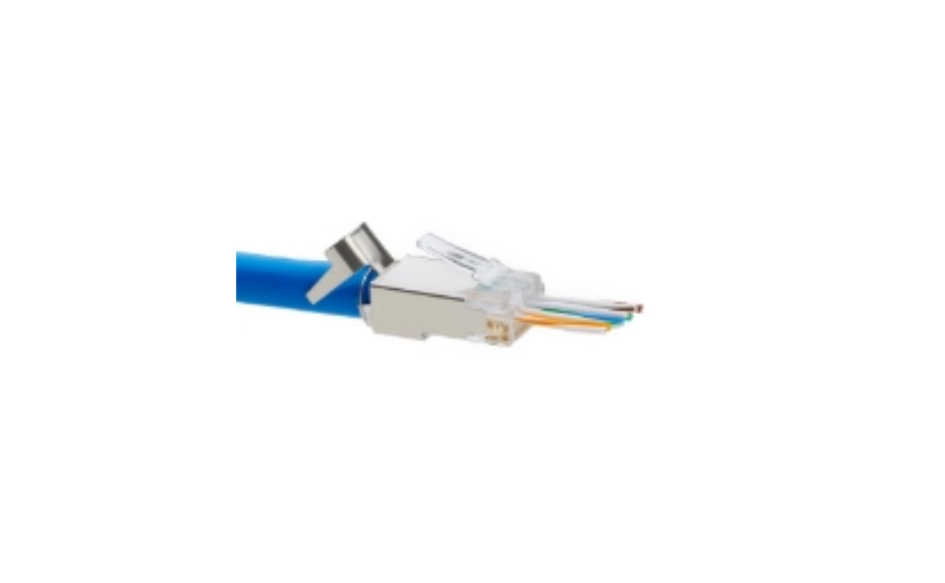
A2: Yes. CAT7 cables can be terminated with compatible RJ45 connectors and are backward compatible with CAT6A, CAT6, and CAT5e systems.
Q3: Does this cable support PoE and PoE++?
A3: Yes. The cable supports PoE, PoE+, and PoE++ applications.
Q4: Does the length of a network cable affect network speed?
A4: Cat5e supports a maximum length of 100 meters, while Cat6 supports 10Gbps over a maximum distance of 55 meters. Exceeding these standard lengths may lead to signal attenuation and a reduction in network speed.
